


Less than 9% of suicidal acts result in death, but that percentage jumps to 90% when firearms are involved, according to a 2019 study in Annals of Internal Medicine opens in new window. “With firearms, there’s usually no chance to regret what you’ve done or to call 911,” says Emmy Betz, MD, an associate professor of emergency medicine at the University of Colorado School of Medicine. And that’s why discussing safe firearm storage with patients at risk of suicide is so important. “We really don’t want someone who is going through a rough time to be able to reach for a firearm,” Betz says.
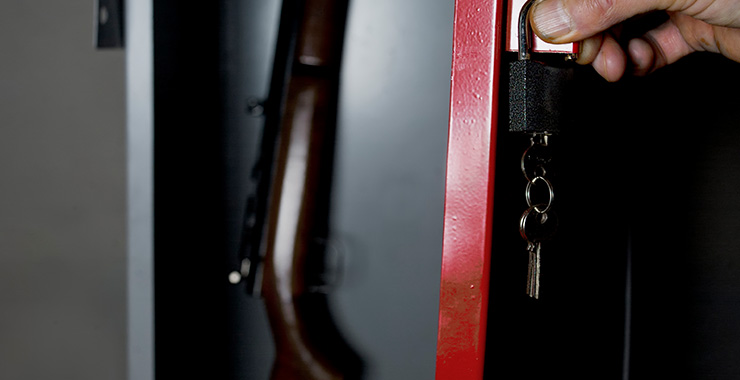
To lessen the chances of suicide, it’s important to put time and space between suicidal people and access to lethal means. For patients who have firearms in their homes, this could mean locking an unloaded firearm in a safe and storing ammunition separately; asking another household member to keep the firing pin or change the combination on a gun safe; or handing firearms over to a hunting buddy or friend from the shooting range. When discussing firearm safety with patients, experts recommend these steps: