

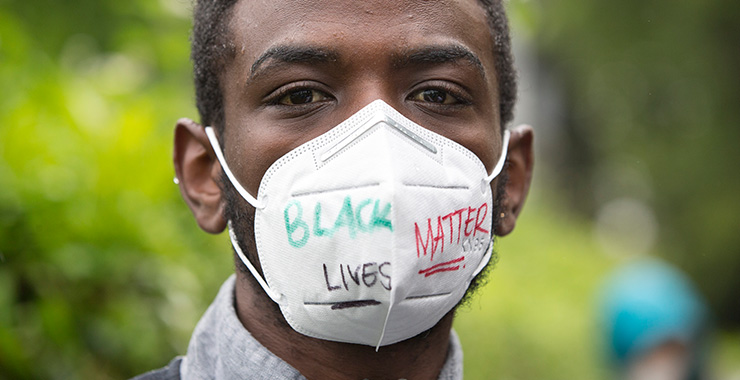
Psychologists are reporting an increase in people of color seeking therapy and mental health services, as many communities of color are disproportionately impacted by the COVID-19 pandemic, and protests against police mistreatment and killing of Black Americans persist.
Discrimination has long been a source of worry and anxiety for people of color, and APA’s most recent Stress in America Survey found that discrimination continues to be a significant source of stress for Black Americans. Anxiety and depression spiked for Black and Asian Americans after the police killing of George Floyd, federal data showopens in new window.
Now, more than ever, it’s essential for all psychologists to be prepared to work with people of diverse and intersecting identities, said licensed clinical psychologist Wei-Chin Hwang, PhD, a psychology professor at Claremont McKenna College who’s helping launch Ayana, a psychotherapy app for marginalized and intersectional communities.
“Often these clients are perpetually referred out and can’t find someone to treat them,” Hwang said, “when it really is a duty and responsibility of therapists to be open to learning about new cultures.”
As growing numbers of people of color seek out mental health services now and in the coming years, here are three essentials ways to prepare your practice: