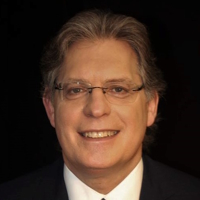
The work we do protects everyone's ability to train, educate, promote and engage in the psychological sciences whether a practitioner, researcher or academic scholar.


The work we do protects everyone's ability to train, educate, promote and engage in the psychological sciences whether a practitioner, researcher or academic scholar.
My first experience of advocacy for psychology was in 2004. I had just joined the council and began going to Albany for Lobby Day where me met with state legislators to advance NYSPA's advocacy agenda. I found the meetings exhilarating as we explained our position and asked the legislator to support us. It was then that I realized that aside from clinical work this was a way to give back to the profession that had given me so much.
The importance of continually protecting and promoting the profession and mental health care within the governing bodies. Legislators are not mental health experts so we have to use our knowledge, expertise and ability to communicate concepts to educate them and persuade them that what we are advocating for is important and necessary.
While many psychologists are not APA or state psychological association members, the work we do protects everyone's ability to train, educate, promote and engage in the psychological sciences whether a practitioner, researcher or academic scholar. For APA members, I would want you to know that your voice matters. Unlike elections where you are just one vote, advocacy means you are representing thousands of psychologists and millions of potential patients and meeting with the legislators who control the government policy. They hear and listen to you.
I believe that all our attempts to promote and defend psychological science as a profession will help underserved populations. We advocate for increased funding for training, increased funding for research, increased funding for veterans, freedom to practice as a professional without political agendas of others. All of this will expand and improve training of the workforce, which will lead to an expansion of providers trained to work with underserved populations.
Along with my clinical practice I have spent my career advocating for psychology, psychologists and patients. I have had a long tenure on the executive and legislative committees of the New York State Psychological Association (NYSPA) and have taken an active role in developing and supporting NYSPA's advocacy agenda. I have consistently participated in the Lobby Day in Albany and learned firsthand how to advocate for our profession with legislators. I have participated in many of APA’s Practice Leadership Conferences and each time have benefited from the seminars, the training in advocacy and the actual meetings with the legislators and their staff as we forwarded the APA’s agenda. My areas of advocacy have included working on behalf of increasing access to care through telehealth regulation for New York and Medicare, prescription privileges, protection of private practice, funding for students and graduate programs, and physician definition under Medicare.
Home State: New York
SPTA Membership: New York State Psychological Association
Join our Psychology Advocacy Network to get the latest news and action alerts from APA Services.
The Advocate Spotlight highlights individuals and organizations whose advocacy makes a difference by advancing important policy issues that impact psychology on Capitol Hill, in federal agencies, in state capitols, and in your communities.