Effective advocates are not only dynamic storytellers who know their audience well, they are also curators of meaningful stories who deeply respect their source.


Effective advocates are not only dynamic storytellers who know their audience well, they are also curators of meaningful stories who deeply respect their source.
In graduate school, I met psychologists, gerontologists, and social workers who showed me the importance of advocacy. Faculty members went on Alzheimer’s walks with us to raise awareness and money for brain health research. My internship year in rural Virginia renewed my commitment to improving geriatric mental health care through advocacy. When I joined the SCG/PLTC public policy committee, I realized how Medicare reimbursement impacted healthcare access. I learned to comment on the CMS Physician Fee Schedule and responded to an RFI on innovative reimbursement models. During my time as training director, I mentored international students through the internship process. I advocated for making psychology training more accessible through my APPIC committee involvement, helping programs become more familiar with and transparent about policies that impact international students and students with disabilities.
I am most passionate about introducing the idea of advocacy to mentees, colleagues, and non-psychologists to make it less intimidating and more relevant to them, whether they primarily identify as a clinician, researcher, educator, administrator, or something else. Advocacy takes time, effort, and creativity; we cannot do it alone. Helping those who are interested in advocacy work find the necessary resources and connections (e.g., Psychologist’s Guide to Advocacy ) to get started is one way to grow our impact. All of us will directly or indirectly experience aging, caregiving, disability, and death at least once. Advocating for age-inclusive and accessible psychological science, training, and practice will benefit everyone in all communities at every phase of their lives.
Really take the time to know each person you meet, be curious about their experience and context, and be receptive to ideas from others who are doing advocacy work with you, particularly those who do not have a background in psychology. I can spend a lot of time studying various legislative bills and policies. However, without staying connected to the people and my communities, my advocacy priorities may not be relevant to them. Effective advocates are not only dynamic storytellers who know their audience well, they are also curators of meaningful stories who deeply respect their source.
I wish I had reached out to APA Advocacy sooner! Their legal and policy expertise has made this journey less confusing and more rewarding. During my time with the Committee on Aging, I realized how psychologists could help distill psychological research to support APA’s advocacy priority. I learned that policy statements we drafted on caregiving, ageism, and disability inclusion were useful on the Hill. I learned to be realistic about our “asks,” and to be ready to advocate for the same things year after year—not as a sign of failure but an affirmation that funding for mental health training and research, equitable reimbursement, caregiver support, and accessibility are building blocks that would never cease to be important. Across psychology disciplines and populations, there are many opportunities to find common ground, build coalition, and provide mutual support to move through moments of disappointment.
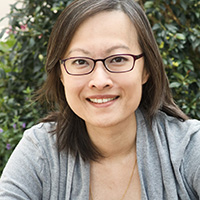
Cecilia Poon, PhD, ABPP is a licensed, board-certified geropsychologist at Nebraska Medicine and an adjunct assistant professor in the Department of Psychiatry at the University of Nebraska Medical Center. Originally from Hong Kong, she completed her PhD in clinical psychology (aging track) at the University of Southern California. She is the 2026 chair of APA’s Committee on Aging. She has served on boards and committees of the American Board of Geropsychology, Society of Clinical Geropsychology (SCG; APA Division 12, Section 2), Adult Development and Aging (APA Division 20), Psychologists in Long-term Care, the Nebraska Mental Health and Aging Coalition, the Association of Psychology Postdoctoral and Internship Centers (APPIC), and Great Plains Theatre Commons. She started and led the clinical health psychology internship at Nebraska Medicine from 2016–25. She is a recipient of the Behavioral Health Education Center of Nebraska Ambassador Award, SCG’s Gerodiversity Award, and Distinguished Clinical Mentorship Award.
Home state: Nebraska
APA Division Membership:
SPTA Membership: Nebraska Psychological Association
Join our Psychology Advocacy Network to get the latest news and action alerts from APA Services.
The Advocate Spotlight highlights individuals and organizations whose advocacy makes a difference by advancing important policy issues that impact psychology on Capitol Hill, in federal agencies, in state capitols, and in your communities.