I believe advocacy is most effective when individuals can engage in ways that align with their strengths, interests, and capacities.


I believe advocacy is most effective when individuals can engage in ways that align with their strengths, interests, and capacities.
My interest in advocacy began before graduate school when I worked for a state association and witnessed firsthand how effective lobbying and legislative advocacy can shape policy affecting professional practice. That experience sparked my interest in advocacy and the important role professional associations play in advancing the interests of their members and the communities they serve. As my career took me to different states, I made it a priority to connect with each state's psychological association to learn about the local issues facing the profession and identify ways to contribute to advocacy efforts on behalf of our psychology or counseling and the communities we serve.
What I am most passionate about is the understanding that advocacy is a “big tent” endeavor—there is a place for everyone to participate and contribute in meaningful ways. Too often, advocacy is viewed as valuable only when it involves high-profile actions or produces specific outcomes. This perception can be intimidating and overwhelming, and it may unintentionally discourage people from becoming involved. I believe advocacy is most effective when individuals can engage in ways that align with their strengths, interests, and capacities. I have especially enjoyed learning about a wide range of issues and hearing diverse perspectives. Effective advocacy requires more than advancing one's own position; it also involves understanding the concerns, motivations, and potential barriers faced by those with differing viewpoints. Approaching advocacy with curiosity, respect, and a willingness to listen creates opportunities for collaboration and more meaningful, lasting change.
What has been most helpful for me is embracing a broader understanding of advocacy—one that recognizes the many forms advocacy can take and the variety of meaningful outcomes it can achieve. Effective advocacy is rarely the work of a single individual; it happens within a community, relies on strong communication and relationship-building, and involves both short- and long-term efforts. It also includes important work that often occurs behind the scenes, such as educating stakeholders, building coalitions, gathering information, and fostering dialogue. At times, advocacy can be frustrating because meaningful change takes time. Working through the state legislative process, for example, is often a complex, multistep, and multiyear undertaking. Progress may be incremental, and outcomes are not always immediate. Recognizing advocacy as an ongoing process rather than a single event has helped me stay engaged and focused.
I recommend taking time to reflect on your personal understanding of advocacy—what it means to “be an advocate” and how that translates into specific actions. I have found this kind of reflection helpful for identifying and challenging personal assumptions, clarifying areas of interest, and assessing your available resources such as time, skills, and financial capacity. It is also valuable to revisit these questions throughout your career. Perspectives on advocacy often evolve over time and different professional stages. New opportunities (or constraints) may present over time requiring a new consideration of how you can engage in advocacy. Periodic reflection helps ensure that your approach to advocacy remains both intentional and sustainable.
I understand advocacy can feel overwhelming or intimidating to determine how and when to engage in advocacy. One helpful approach is to start gathering information and staying connected to ongoing conversations in the profession. This may include speaking with other APA members, following updates from relevant divisions and your state psychological association, and paying attention to social issues affecting your clients and broader community. You can also ask colleagues and organizations what kinds of support or involvement are most needed. Taken together, these steps can help clarify where your interests and skills align with current needs and identify meaningful ways to engage in advocacy.
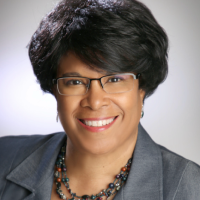
Cheryl Warner, PhD, is co-chair of the Arizona Psychological Association’s Legislative Committee and a member of the association’s Governing Council, as well as a board member of the Arizona Psychology Training Consortium. She is a clinical associate professor in the school of counseling and counseling psychology at Arizona State University. With 25 years of experience as a licensed psychologist, educator, and supervisor, Warner has dedicated her career to training and mentoring future generations of counselors and counseling psychologists. She earned both her MEd in counseling and PhD in counseling psychology from University of Georgia and completed her predoctoral internship and postdoctoral training at the Georgia State University Counseling Center. Warner is licensed to practice psychology in Arizona, Indiana, and South Carolina and holds interjurisdictional practice privilege through PSYPACT. Her clinical experience spans community mental health, university counseling centers, private practice, and military settings. Her professional interests include counselor education and training, multicultural competence, professional development, and clinical supervision. Throughout her career, Warner has contributed extensively to both academic and professional service, serving on numerous university and state association committees and advancing advocacy efforts on behalf of the psychology and counseling profession.
Home state: Arizonia
APA Division Membership: Division 17 (Society of Counseling Psychology)opens in new window
SPTA Membership: Arizona Psychological Association