


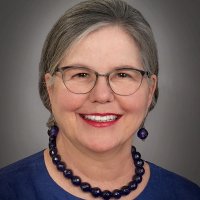
 Name: Mary Ann McCabe, PHD, ABPP
Home State: Virginia
APA Divisions: Division 37 (Society for Child and Family Policy Practice), Division 42 (Psychologists in Independent Practice), Division 53 (Society of Clinical Child and Adolescent Psychology), and Division 54 (Society of Pediatric Psychology)
SPTA Membership: Virginia Academy of Clinical Psychologists
American Psychological Association. (2022, November 18). Advocate Spotlight: Mary Ann McCabe, PHD, ABPP. https://www.apaservices.org/advocacy/get-involved/advocate-spotlight/mary-mccabe
What do you feel most passionate about regarding your advocacy work?
I am passionate about advocating for our most vulnerable population – children who have no voice. Policymakers and many professionals are adult-centric, leaving our youngest generation invisible at times. I believe that focusing advocacy efforts early in life (e.g., from prenatal and maternal health through adolescence) enables us to promote healthy development and equity and engage in evidence-based prevention. It also enables us to mitigate the original development of racial bias, interrupt intergenerational trauma, and focus on developing resilience. When psychology is seen as part of public health, it is easy to focus in these areas.
What is something important you have learned about advocacy that has made you more effective?
I have learned that policy coalitions are often more effective than single individuals or organizations—in part because they imply consensus and avoid perceptions of self-interest. Likewise, bodies of scholarship are much more convincing to policymakers than single studies. Organizations and coalitions can serve as “knowledge brokers” in translating science to inform policy.
What would you want APA members who are not engaged in advocacy to know?
As a practicing clinical psychologist, I have been pleasantly surprised at the similarities between science-based advocacy and clinical work. Specifically, building relationships, choosing language, and identifying optimal timing play pivotal roles in both. Additionally, both practitioners and policymakers use science and lived experience in their work.
However, they may prioritize them differently; policymakers often place as much emphasis on personal stories as a body of research.
How do your advocacy efforts help address issues of inequity?
Nearly all my advocacy work has focused on vulnerable populations. Importantly, my focus on culturally responsive and evidence-based prevention—across two generations – is a fundamental way to enhance health and mental health equity. I also advocate for collaborating across sectors (e.g., health care, schools, community organizations) and changes in health policy to address structural barriers to equity and access.