It is important to be a witness, to share truth, and raise up those voices that have traditionally not been heard.


It is important to be a witness, to share truth, and raise up those voices that have traditionally not been heard.
A key moment in my life was living and working in Minneapolis when George Floyd was murdered. This event made me question the degree to which the therapy space can not only be a place for healing, but also for revolution and change. As psychologists we want to ease human suffering, and part of how we do that is my addressing systemic issues that directly impact the clients we serve. Advocacy can look like so many things. Staying informed and sharing information is key. I recently had a session with a client which focused on how unsafe she feels in our current political climate, how she worries about being racially profiled, having her citizenship questioned, and the degree to which her anxiety isn't unfounded. The personal is political, and as psychologists we cannot sit on the sidelines and wait for systems to right themselves, we must be agents of change.
So much of my work focuses on healing from trauma, that it is hard for me to watch systems, that are implemented by people in positions of power, actively traumatize entire communities, especially those who are among the vulnerable and with the least amount of power. It is important to be a witness, to share truth, and raise up those voices that have traditionally not been heard. Advocacy can really be so many things. Recently, I read Caste by Isabel Wilkerson, and this book changed me. For as much as these times my feel unprecedented—the systems of oppression we are living with—are historical and as old as our country. This knowledge actually gives me hope. We must create new systems and small acts of advocacy, when done by many, can lead to real change.
Advocacy doesn't have to be a part-time job. I think one of the barriers to staying informed and getting involved is that it can feel like something you may not have time for. I totally get this sentiment, I'm a mom of two small children and work full-time. Advocacy for me, fits in where I can I can fit it in. By staying informed enough, I know when to call my senators or representatives, when to send a strongly worded email, and when to share a call to action to my peers. I read somewhere that advocacy is like a choir—you can hold a note forever by trusting that the other members are going to keep singing when you need a break- and that you sing when you can- giving someone else their chance to breathe. If everyone committed to a small act of advocacy, we can change the world.
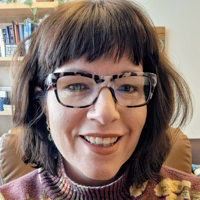
Nicole Steil, PsyD, LP, earned her doctorate in clinical psychology from the Wisconsin School of Professional Psychology in 2017. She completed her predoctoral internship and postdoctoral residency at Hazelden Betty Ford in Minnesota. Steil completed training in EMDR from the Midwest Center of Trauma and Healing and will be taking an advanced EMDR training this summer at the Cape Cod Institute. She has worked for Ascension Medical Group since August 2021 and is located at Prospect Medical Commons on Milwaukee’s East Side. She has been an adjunct at Carroll University since 2023, teaching a substance use disorder course to graduate counseling students. When Steil isn’t working, she enjoys drinking good coffee and spending time with family and friends.
APA Division:
Join our Psychology Advocacy Network to get the latest news and action alerts from APA Services.
The Advocate Spotlight highlights individuals and organizations whose advocacy makes a difference by advancing important policy issues that impact psychology on Capitol Hill, in federal agencies, in state capitols, and in your communities.