


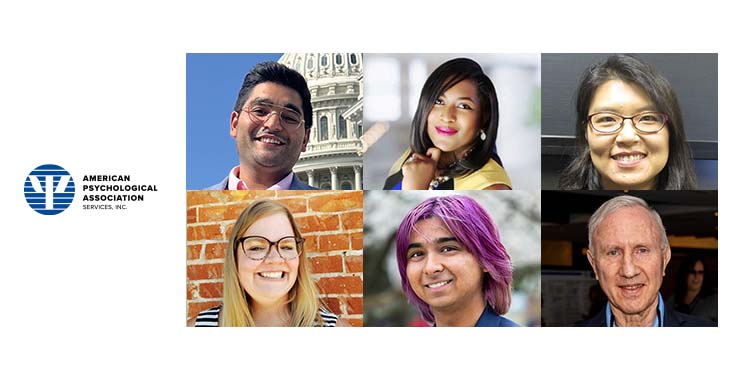
In early October 2023, the APA Services board of directors approved the appointment of six new members to the ACC. ACC’s primary charge is to recommend advocacy priorities to guide the work of association throughout the year. It is comprised of no fewer than 12 members who broadly represent all aspects of the association’s diverse membership, including disciplinary focus, demographic diversity, student membership, career stage, and employment setting.
The association thanks departing ACC members Sharon Berry, PhD, ABPP; Eugene Borgida, PhD; Debra Major, PhD; Jonathan Metzler, PhD, CMPC; and Nadika Paranamana, ABD for their service and contributions on the committee over the years.
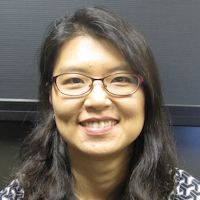 Lee is a clinical psychologist/team leader at Counseling and Wellness Services in Student Health Center at New York University. She is a licensed psychologist in the state of New York, Ohio, and Virginia. She is a first-generation immigrant from South Korea. She completed a PhD in counseling psychology and human systems at Florida State University, a predoctoral internship at Purdue University, and a postdoctoral residency at James Madison University. Her areas of interests and expertise are multicultural identity development, cultural adjustment, ADHD assessment and coaching, career development, racial justice, diversity, and intersectionality issues, AOD (alcohol and other drugs) issues, supervision and training, and mentoring.
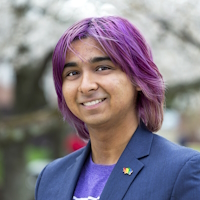 M Pease (they/she) is a doctoral student in counseling psychology at the University of Maryland, College Park. Their research broadly explores race, gender, and sexuality and how systems and experiences of oppression contribute to mental health disparities. They have several years of experience working on research-based advocacy and teaching efforts to promote social and organizational policy change, especially around promoting ethnic studies, LGBTQ+ rights, and culturally competent and accessible mental health services. Their policy research experience includes efforts with UCLA Williams Institute, Trans Lifeline, and the Maryland House of Delegates. M’s work seeks to bridge science with advocacy and activism efforts that tangibly improve conditions for marginalized communities in the pursuit of social justice, equity, decolonization, and liberation.
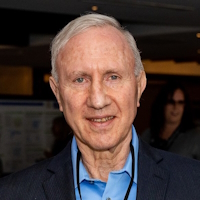 Schneiderman is senior vice president and cofounder of New York Foundling’s Vincent J. Fontana Center for Child Protection, a national child protection center focusing on the primary prevention of child maltreatment. He is the former senior vice president of Mental Health Services at the New York Foundling. He is currently chair of the executive committee of the National Initiative to End Corporal Punishment and the New York State Initiative to Prevent Child Sexual Abuse and serves on the executive committee of the Psychological Maltreatment Alliance.
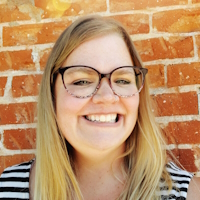 Trotta (she/her) has been the co-chair of the Public Policy Committee for APA’s Division 44 since 2021. She is a current clinical and forensic psychologist. She currently works for the State of California at the Department of State Hospitals Atascadero (DSH-A) as a treatment psychologist working with those who have been found incompetent to stand trial and other forensic commitments. She is currently serving on several committees for DSH-A creating and implementing affirming LGBTQIA+ policies. Trotta also has a private practice where she engages in both clinical and forensic work alongside speaking, training, and consulting around the country. Her desire and passion for policy and advocacy work began when she interned for the White House, the D.C. federal court system, and the National Center for Missing and Exploited Children. Her passion for social justice and advocacy is rooted in Diversity, Equity, and Inclusion broadly but is focused on LGBTQIA+ individuals, those with disabilities, and forensic patients.
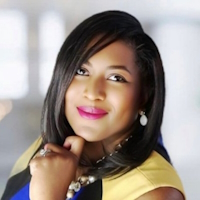 Newton is a fully licensed psychologist and clinical assistant professor in the College of Education and Human Development at the University of North Dakota. Newton is also the owner of Legacy Mental Health Services, PLLC. She has over 20 years of experience in clinical, academic, and community settings, including teaching experience at both undergraduate and graduate levels of higher education. Her areas of expertise include multicultural counseling, healing racialized trauma, research methods, tests and measurement, and clinical supervision of master’s-level counseling practitioners and students. In addition to her clinical and teaching expertise, Newton is also a member of the Michigan Board of Psychology, appointed by Governor Gretchen Whitmer.
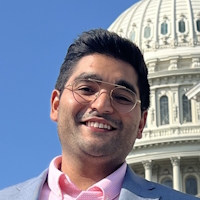 Bharat is a second-year graduate student in the Health Track of the Clinical Psychology PhD program at the University of Miami (UM), under the mentorship of Steven Safren, PhD. He graduated from the University of South Florida with an MA in psychological sciences and a graduate certificate in data analysis. His earned his BS in biomedical engineering from Boston University with a concentration in technology innovation. Bharat’s experiences in both quantitative and qualitative research methods have allowed him to appreciate the significance of being a mixed methods scholar. His research interests revolve around LGBTQ+ mental health, resilience, intersectionality, implementation science, and developing new interventions aimed at preventing HIV and bolstering resilience in marginalized communities, especially for queer people of color.