


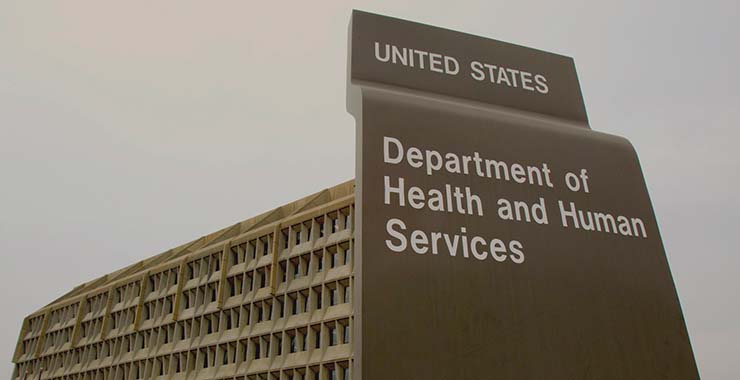
APA joined the Coalition for Health Funding (CHF), an alliance of 84 nonprofit organizations working to promote substantial investments in the public health continuum, to urge Congress to fully fund the Department of Health and Human Services (DHHS) for fiscal year (FY) 2023 on September 20–21. APA is a coalition member and joined with other CHF member organizationsopens in new window to urge Congress to complete the annual appropriations process and provide the highest funding level for DHHS programs, rejecting a year-long continuing resolution (CR) in FY 2023 based on lower funding levels that don’t address unmet needs.
In a coalition letter to Congressional leaders (PDF, 112KB)opens in new window, the advocates emphasized that a yearlong CR “creates chaos and dysfunction across the public health continuum—not to mention missing an opportunity to increase resources across our essential public health agencies.” The groups, however, noted that a short-term CR is preferable to a government shutdown. They also cited examples of the disruption CRs cause to public health programs. For example, a CR delays the distribution of much-needed funding to states to assist them in prevention, treatment, and recovery services related to addressing the opioid overdose crisis and inducing conservative funding practices by federal research agencies such as the National Institutes of Health. The groups emphasized that unreliable and unpredictable funding damages the nation’s scientific enterprise and global competitiveness.
For more information, contact Angela L. Sharpe, MG.