
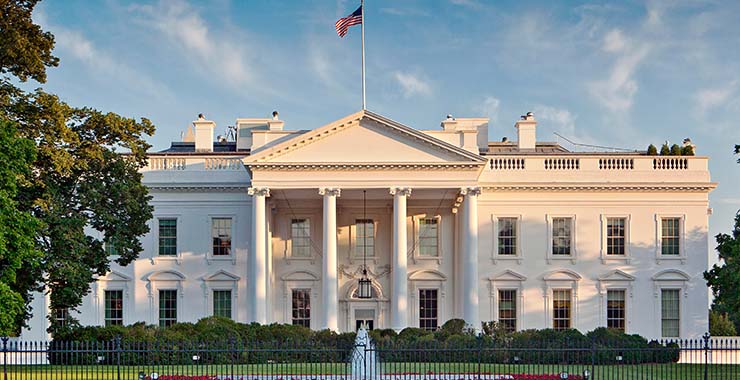
On May 9, 2024, APA members and staff met with the White House Office of Science and Technology Policy (OSTP) Interagency Working Group on Safe and Inclusive STEM Environments (IWG-SISE)opens in new window. The working group is developing federal research agency policy guidelines to reduce the prevalence of sex-based and sexual harassment involving federal grant recipients and their research staff, responsive to the CHIPS and Science Act.
Kristen Lindquist, PhD, of the University of North Carolina, Chapel Hill; June Gruber, PhD, of the University of Colorado; Mary Koss, PhD, of the University of Arizona; and Kelley Haynes-Mendez, PsyD, of APA’s Human Rights Team, presented at the meeting. They highlighted how psychological science can inform how we optimize the workplace and ensure safe and inclusive STEM environments.
In APA’s 2022 Work and Well-Being surveyopens in new window, many employees noted that while they may not have experienced an abusive workplace, they had felt scared while at work. Thirty percent had experienced harassment, verbal abuse, or physical violence either by someone within their organization or outside of it within the previous 12 months.
For women in psychological science, the gender gap can prevent a safe and inclusive STEM environment. Research has also found that women are less likely to apply for tenure-track positions, do more undervalued academic service than male peers, and report more negative effects due to it.
These gaps persist due to several factors. Agency, self-esteem, and self-promotion all affect career success and can be influenced by stereotypes. Women are often expected to be primary caregivers of children and other family members, which can affect their research productivity. Strategies that can help include encouraging mentoring programs, supporting women with families, redesigning and educating hiring committees, being transparent about money, and offering negotiation training and more guidance on how to get funding.
Among employees who reported one or more of 12 types of sexual harassment, only 17.5% reported their experiences to their employer. The data suggest that the current process of reporting sexual harassment is either unappealing, inaccessible, perceived as ineffective or harmful, and/or doesn’t offer the outcomes victims seek. The importance of restorative justice–based processes to address sexual harassment was also noted in the conversation with OSTP. APA Services will continue to advocate for safe and inclusive STEM environments and healthy workplaces with the IWG-SISE, the Biden administration, and Congress.
For more information, contact Krysta Jones.