


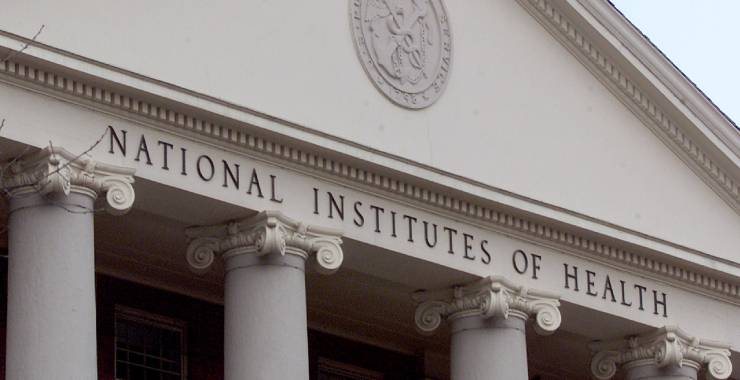
In August, APA Services submitted comments (PDF, 215KB)opens in new window in response to a request for information (RFI) from the National Institutes of Health (NIH)opens in new window asking how NIH might develop alternatives (Novel Alternative Methods or NAMs) to research with nonhuman animals. Members of APA’s Committee on Animal Research and Ethics contributed to the comments and brought forward several ideas. The RFI stems from the recently established Advisory Committee to the NIH director’s Working Group on Catalyzing the Development and Use of NAMs to Advance Biomedical Researchopens in new window, which is charged with identifying types of nonanimal methods used in biomedical research and areas for future NIH investment. Feedback from the RFI will inform the working group’s final recommendations to NIH, slated for release in December.
The working group was formed at least partially in response to congressional interest in reducing the number of nonhuman animals in NIH-funded research. The association’s response encourages NIH to continue to let scientific opportunity and effectiveness drive the research funded by the agency, and not to be pressured by the advocacy of antianimal research organizations working through their congressional champions. The comments emphasize that “…animal studies are at present and in the foreseeable future the most valid and reliable method for numerous areas of research. Clarifying the contexts in which NAMs may be appropriate and highlighting their use to supplement research with animals is an important step in adjusting end-user and public expectations until validation strategies, metrics, and regulatory pathways become more defined.”
The response continued, “new models must be validated to receive acceptance. As NIH outlines future areas of investment, APA agrees that model development and validation should be considered concurrently and that providing parallel funding for validation studies alongside future NAM grants, initiatives, or projects seems reasonable. Consistent validation guidelines and confirmatory data from human and animal studies alike are needed. Otherwise, the development of NAMs will continue to outpace scientific standards and applications, resulting in inefficient use of research time and federal dollars (and increased pressure for NIH to apply technologies before they can be considered safe and ready).”
APA Services cited a recent National Academy of Sciences, Engineering and Medicine (NASEM) recommendationopens in new window that NIH develop new mechanisms to foster collaboration between animal researchers and NAM developers. The NASEM report, “Nonhuman Primate Models in Biomedical Research,” underscores how nonhuman primates (NHPs) remain essential for NIH-supported biomedical research given the lack of qualified and validated NAMs to answer complex research questions, such as those pertaining to brain function and behavior. To address this, the report emphasizes the importance of enhanced collaboration between NHP researchers and NAMs developers to expand the applicability of non-animal systems. APA Services encourages NIH to establish multilaboratory funding opportunities, cross-disciplinary challenge programs, and annual conferences or symposia that mobilize varying perspectives and expertise. For the latter, we strongly advise partnering with scientific societies to leverage their knowledge and networking capabilities for maximal impact and effective policy implementation.
For more information, contact Pat Kobor.