
On June 15, 2023, nearly 60 APA member psychologists participated in 150 meetings with their members of Congress to advocate for youth mental health research and stronger protections for children online. The mental health impacts of social media and the need for more research in this and other areas impacting children are topics where policymakers, regulators, parents, and even APA have recently highlighted the need for change. Psychological science and psychologists themselves have a vital role to play in addressing this crisis and this event served as an opportunity for APA members to bring their experiences and training to share directly with federal policymakers. These meetings worked to raise the profile of psychology, stressed the need for greater research funding, and secured additional cosponsors for legislation aimed at curtailing the harms of social media on children.
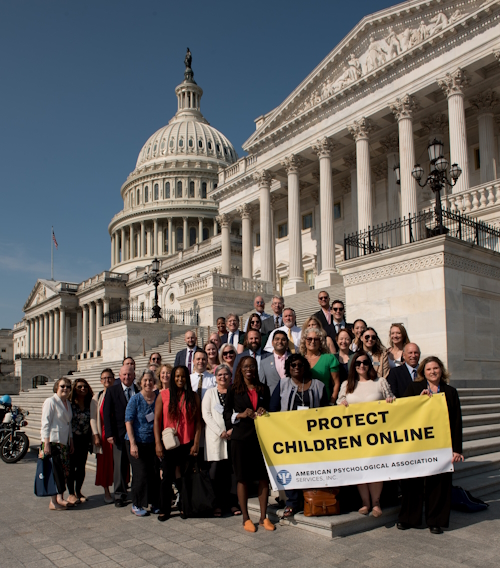 Participants traveled from 40 States and Guam, representing 39 state, provincial, and territorial psychological associations (SPTAs) and one regional psychological association. They consisted largely of APA Services’s federal advocacy coordinators and federal education advocacy coordinators, and included APA past presidents, members of the APA Board of Directors, members of the APA Services Advocacy Coordinating Committee, and members of the Rapid Expert Advisory Panel on Social Media.
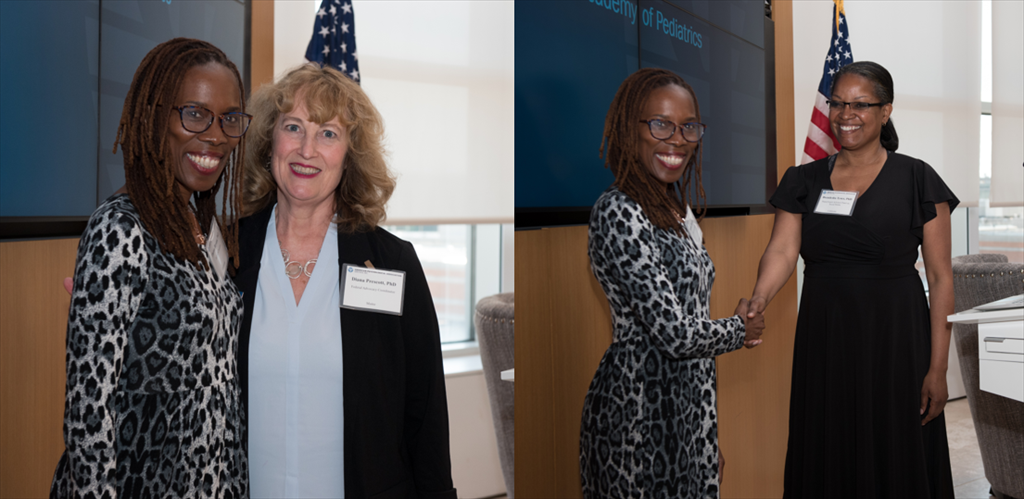
To prepare for their Hill meetings, participants gathered on June 14 for an in-person briefing during which they learned about the Kids Online Safety Act (S. 1409)opens in new window and draft legislation to authorize funding for a Youth Mental Health Initiative. APA President Thema Bryant, PhD, gave welcoming remarks, which were followed by a presentation from APA Chief Advocacy Officer Katherine B. McGuire, MSc, on the shifting political landscape and what psychologists can do to meet the moment
Throughout the day, participants heard from expert members on the impacts of social media on a child’s brain, recommendations included in the recent APA Health Advisory on Social Media Use in Adolescence, and the need for federal oversight on social media. They also engaged in a conversation with Federal Trade Commission (FTC) Commissioner Alvaro Bedoya, JD, on the role that psychology can play in shaping federal policy around social media, and a feedback session on strengthening relationships between SPTAs and the APA advocacy office.
 In preparation for their Hill meetings, participants were trained on two legislative issues: legislation to authorize funding for the Youth Mental Health Research Initiative, and the Kids Online Safety Act (KOSA) (S. 1409). Emphasizing that science needs to lead the way out of the youth mental health crisis, APA Deputy Chief of Scientific Affairs Pat Kobor, MA, led the presentation on the Youth Mental Health Research Initiative legislation. The bill, which has not yet been introduced, would authorize $100 million per year for 5 years for the National Institute of Mental Health, the National Institute of Child Health and Human Development, and the National Institute on Minority Health and Health Disparities to conduct basic and applied research to guide long-term recovery of youth and improve the treatments delivered to young people, including those in crisis, with the ultimate goal of reducing mental health disparities in youth. This initiative would also include research on youth and social media.
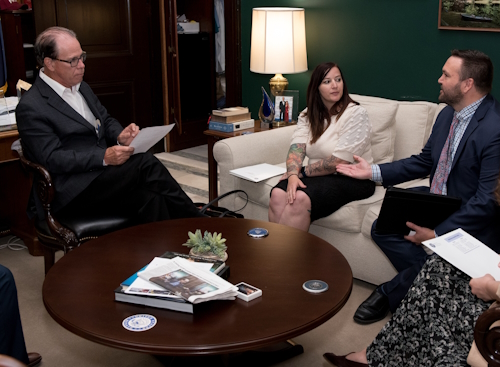 APA Senior Director for Congressional and Federal Relations Corbin Evans, JD, then briefed participants on KOSA, which would create a duty of care for social media platforms to prevent and mitigate specific dangers to minors in their design and operation of products; require social media platforms to provide children and adolescents with options to protect their information, disable addictive product features and opt out of algorithmic recommendations; and give parents new tools to help support their children and provide them (as well as schools) a dedicated reporting channel to raise issues, such as harassment or threats, to the platforms. Following the issue briefings, APA’s Director of Grassroots Engagement Doris Parfaite-Claude, MPP, led a presentation on how attendees can communicate effectively with members of Congress, including how to build rapport, build and deliver a pitch, and follow up with congressional offices after their meetings.