Answer
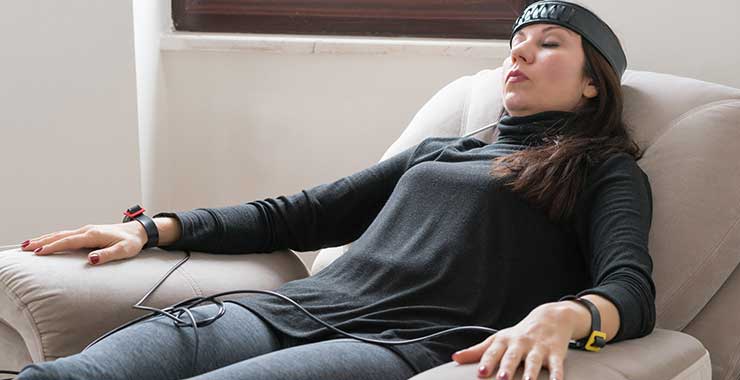
It can be very helpful to have as many tools as possible in your therapeutic toolbox. Biofeedback is the use of an external monitoring device (e.g., electrocardiograph) to provide an individual with information regarding their physiological state. When used to help a person obtain voluntary control over autonomic body functions, such as heart rate or blood pressure, the technique is called biofeedback training.
As with any therapeutic tools, the initial step is to seek professional training. APA offers continuing-education programs on the use of both bio- and neurofeedback. Likewise, organizations such as the Biofeedback Certification International Alliance and the Behavioral Medicine Research and Training Foundation offer robust training and certification exclusively in biofeedback.
Next, you would begin to consider which devices you would like to use and how you would incorporate them into your practice. There are many devices on the market for biofeedback, ranging from consumer fitness trackers and smart watches to medical devices; many of these devices claim to be effective, but only some are actually effective and backed by science. Quality training from any of the organizations mentioned will cover which biofeedback devices are evidence-based, how to use them, what’s the average course of treatment, and the best way to introduce them to patients.
Clinicians must also consider whether they will deliver biofeedback training exclusively in the office or allow patients to take devices home. Professional training courses will help you to answer these questions and many more as you begin to expand your practice.