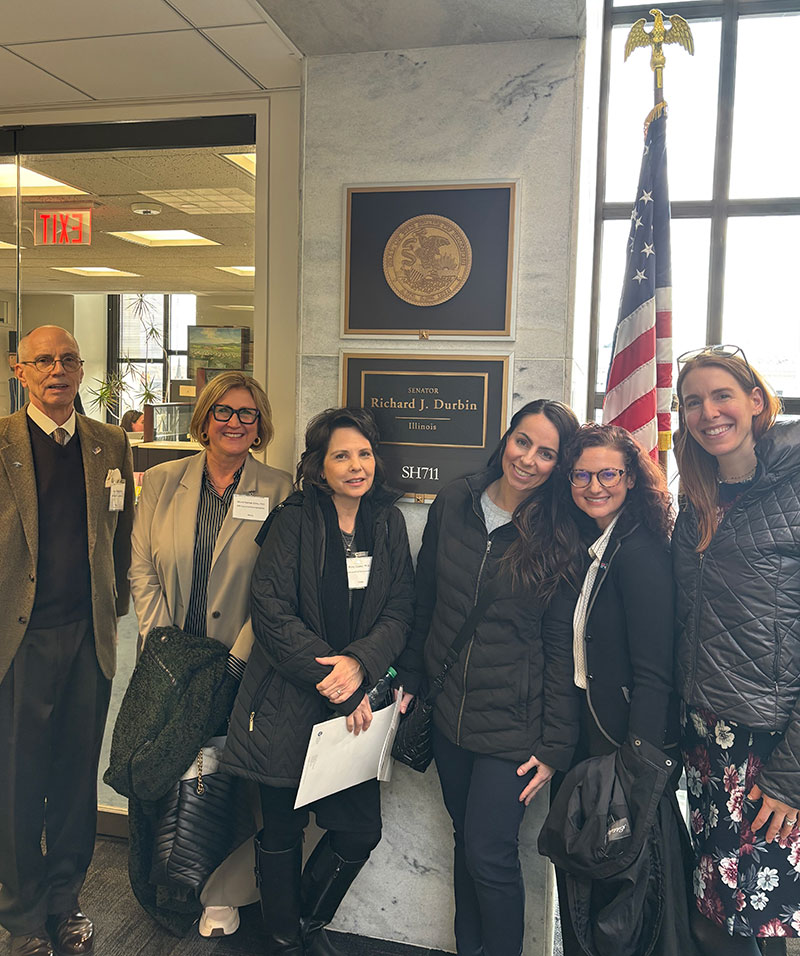
 Prior to their Hill meetings, participants took part in an advocacy training led by APA Advocacy staff. APA’s Senior Manager for Congressional and Federal Relations, Raegina Likewise, MA, presented the first legislative request (PDF, 715KB)opens in new window, to finalize FY25 appropriations and support $30 million for GPE in FY26, a $5 million increase in funding from FY24. GPE is the nation’s primary federal program dedicated to the interdisciplinary education and training of doctoral-level health service psychologists. Increasing funding for GPE would train more psychologists to work in integrated care settings and expand access to mental and behavioral health services in underserved communities.
APA’s Senior Director for Congressional and Federal Affairs Angela Sharpe, MG, then briefed participants on the second request (PDF, 1.5MB)opens in new window, to finalize FY25 NIH appropriations at no less than $50.3 billion and to support robust, sustained funding for NIH in FY26. NIH is the premier funder of biomedical and behavioral research. Improving the health of all Americans is a core component of NIH’s research mission, which includes a focus on disease prevention and health promotion. Protecting and investing in NIH is crucial to supporting research which serves as the foundation for nearly every preventive intervention, diagnostic, treatment, and cure in practice today and leads to longer, healthier lives.
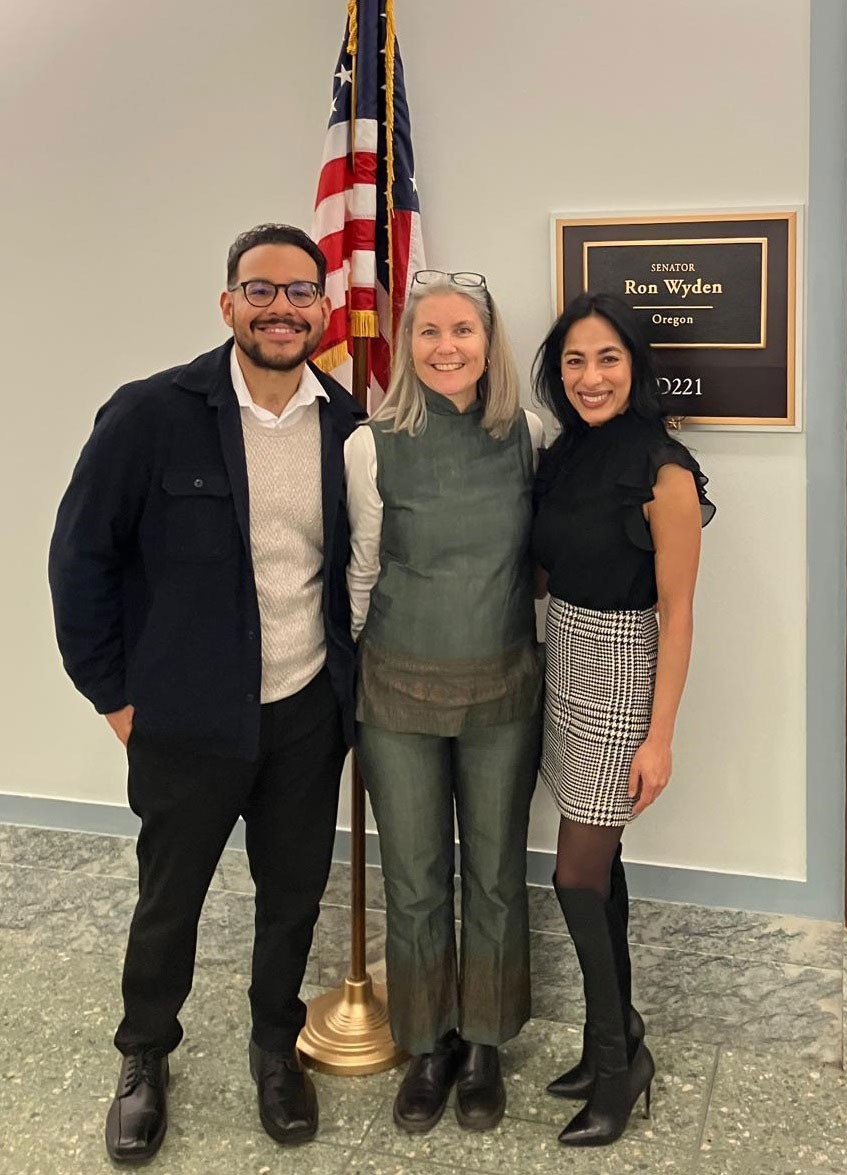 APA’s Deputy Chief for Health Policy and Health Care Financing Stephen Gillaspy, PhD, wrapped up the legislative issue briefing by presenting the final request (PDF, 1.5MB)opens in new window, to protect access to behavioral health services in Medicaid. Medicaid is the single largest source of coverage for behavioral health services. Without access to those services, many low-income children, adults, and families, as well as those with disabilities—would lose access to life-saving mental, behavioral, and substance use disorder treatment.
Following the issue briefing, APA’s Deputy Chief of State Advocacy Alix Ginsberg, MPH, and Director of Grassroots Engagement Doris Parfaite-Claude, MPP, led a presentation on communicating effectively with Congress. This included how to build rapport, develop and deliver a pitch, navigate difficult discussions, and follow up with congressional offices after their meetings.
This event marks the second year APA’s Council of Representatives has participated in a Hill Day to advance council policy and promote psychology. Kawahara remarked that she was “proud to be representing psychology on Capitol Hill,” and APA 2025 President-elect Wendi Williams, PhD, said of the experience, “The weight of this work is always significant, but in these precarious times, it feels especially urgent.” She added, “At the core, it’s simple: we become psychologists because we want to help people. And that means protecting and advancing our work so that those who rely on our field can continue to receive the best care possible informed by our science and supported by our advocacy.”
For more information, contact Stephen Gillaspy.



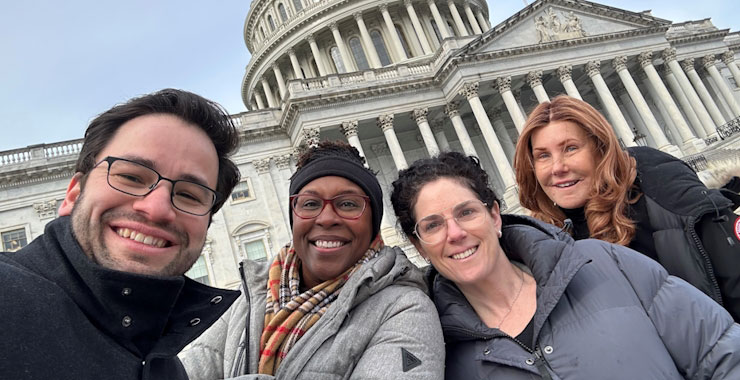
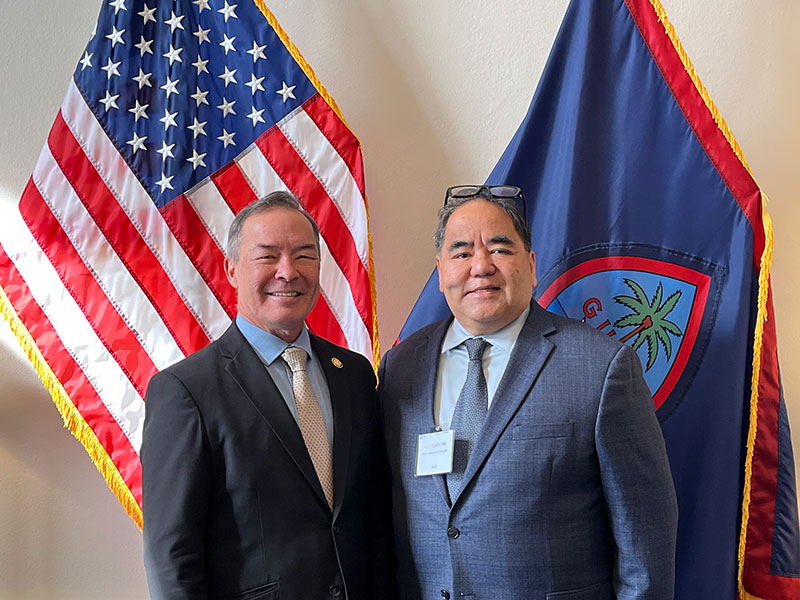 APA 2025 President Debra Kawahara, PhD, welcomed participants by highlighting the importance of bringing the association’s “science and policy resolutions to influence our federal policymakers,” and remarked that this event more than doubled the efforts of the inaugural Council Hill Day, which took place last year. APA’s Chief Advocacy Officer, Katherine B. McGuire, MSc, offered insights into the new policy landscape and urged advocates to get involved and active in their states as the federally focused actions and their impact are now beginning to cascade down to their communities. McGuire urged advocates to share stories with policymakers in their towns and cities about how the policy shifts are affecting practitioners and the people they serve.